Nobody lands on Kesh. Nobody could: its day side is molten rock, and even its night side glows. The closest anyone gets is the viewing approach, a slow, shielded pass that a few liners make as special sailings from Halcyon, and it gave me the strangest few hours I have ever spent aboard a ship.
Why the liners slow down
Kesh is close to Ilyr, close enough that its surface melts, and it is tidally locked: one face always turned to the star, the other always turned away. A liner heading inward picks up speed as it falls towards Ilyr, and if it simply swept past, the planet would cross the windows in minutes. So on the approach the ship spends fuel to shed that speed, matching Kesh's pace as closely as she can, and holds at a safe distance for hours instead.
There is a second reason, and it is the one the engineers care about. Every hour that close to Ilyr is an hour of heat pouring onto the ship. Slowing down makes the pass predictable: the navigators can hold one attitude, the shield can face one direction, and the cooling plant can settle into a steady load rather than chasing a changing one. It is also why the viewing approach costs considerably more than other voyages of a similar length. You are paying for fuel spent on purpose, and for a shield that will need inspecting afterwards.
The shields
I spent nine years inspecting hulls at the Halcyon yards, and the ships back from Kesh were always the ones we lingered over. A viewing liner carries a heat shield across her sunward side, built in layers: a bright, reflective outer skin that turns most of Ilyr's light away, a ceramic layer behind it, a gap, and then a lattice of coolant lines that carries off whatever gets through. On the approach the ship turns that face to the star and keeps it there, and everything else, passengers included, lives in the shade behind it.
You can hear the shield at work. As the ship closes in, the hull ticks and creaks like a house in high summer, and the cooling pumps settle into a deep hum that you feel through the deck more than hear. That is normal. Back at Halcyon, every tile and coolant joint is checked before the ship sails again; I once pulled a cracked tile from a shield that looked perfect from the gallery.
During the approach every sunward window on the ship is shuttered and locked by the crew, and stays that way until the hull has cooled, about a day after the pass. Do not try to open one. It will not open, and the crew will want to know what you were doing.
The shaded lounges
The viewing happens in the shaded lounges, long rooms on the ship's shadow side with windows of heavily filtered glass. The ship is positioned so that those windows look past the edge of her own shield, across to Kesh. Sessions are booked in advance, in small groups, so the rooms never feel crowded. The lights are kept low, the chairs recline, and drinks are served cold, because the whole ship runs a few degrees warmer than usual for the length of the pass.
Book the session that covers the closest part of the approach if you can, and a later one as well. The view changes more than you expect, and the second time you will notice what you missed the first.
What you see
The night side
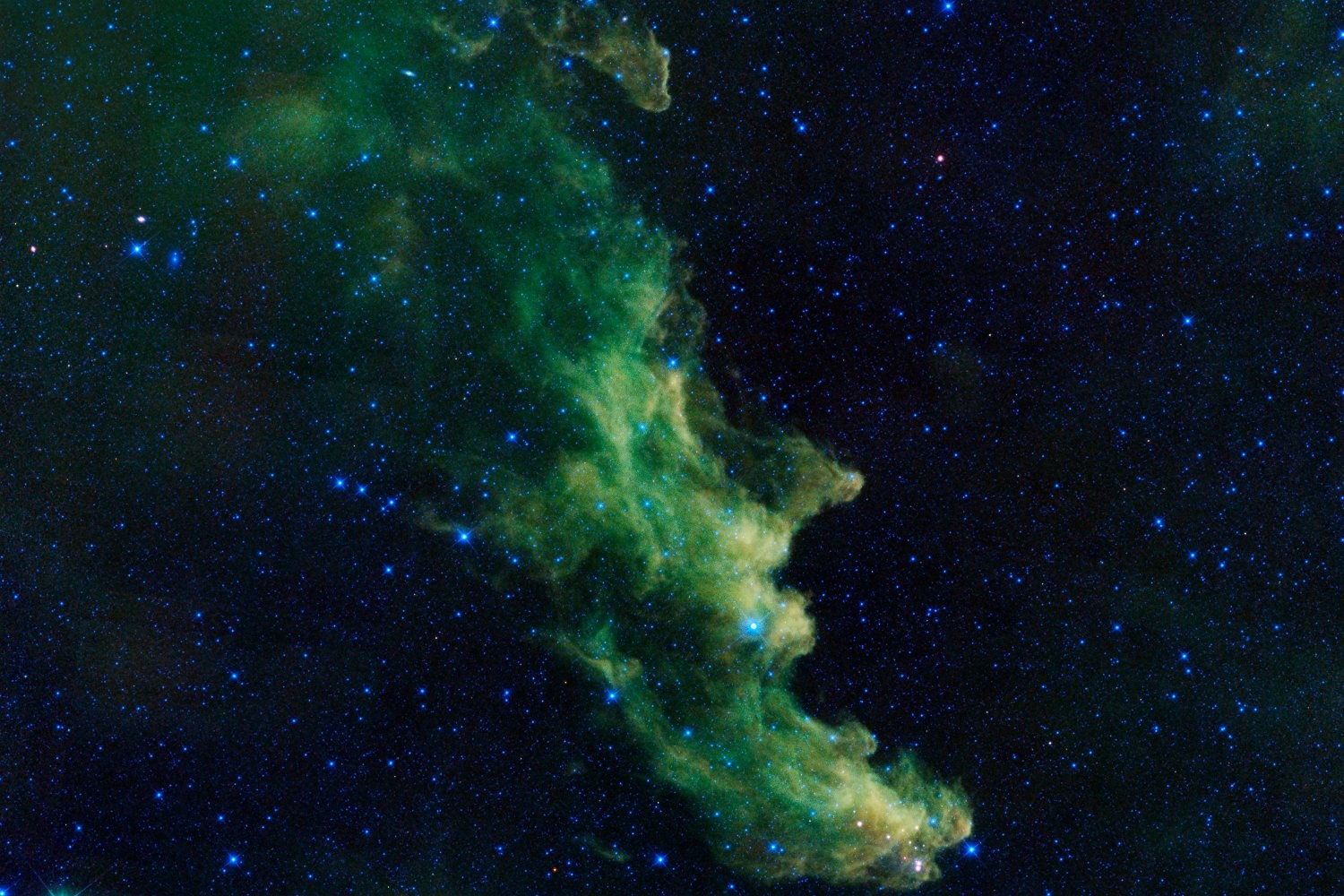
The face turned away from Ilyr is not dark. It glows a dull, deep red, the colour of embers that have nearly gone out. Across it run cracks and seams that glow brighter, where hotter rock lies close to the surface. For the first hour it is all you notice, and it is far more beautiful than anything that hot has a right to be.
The day side
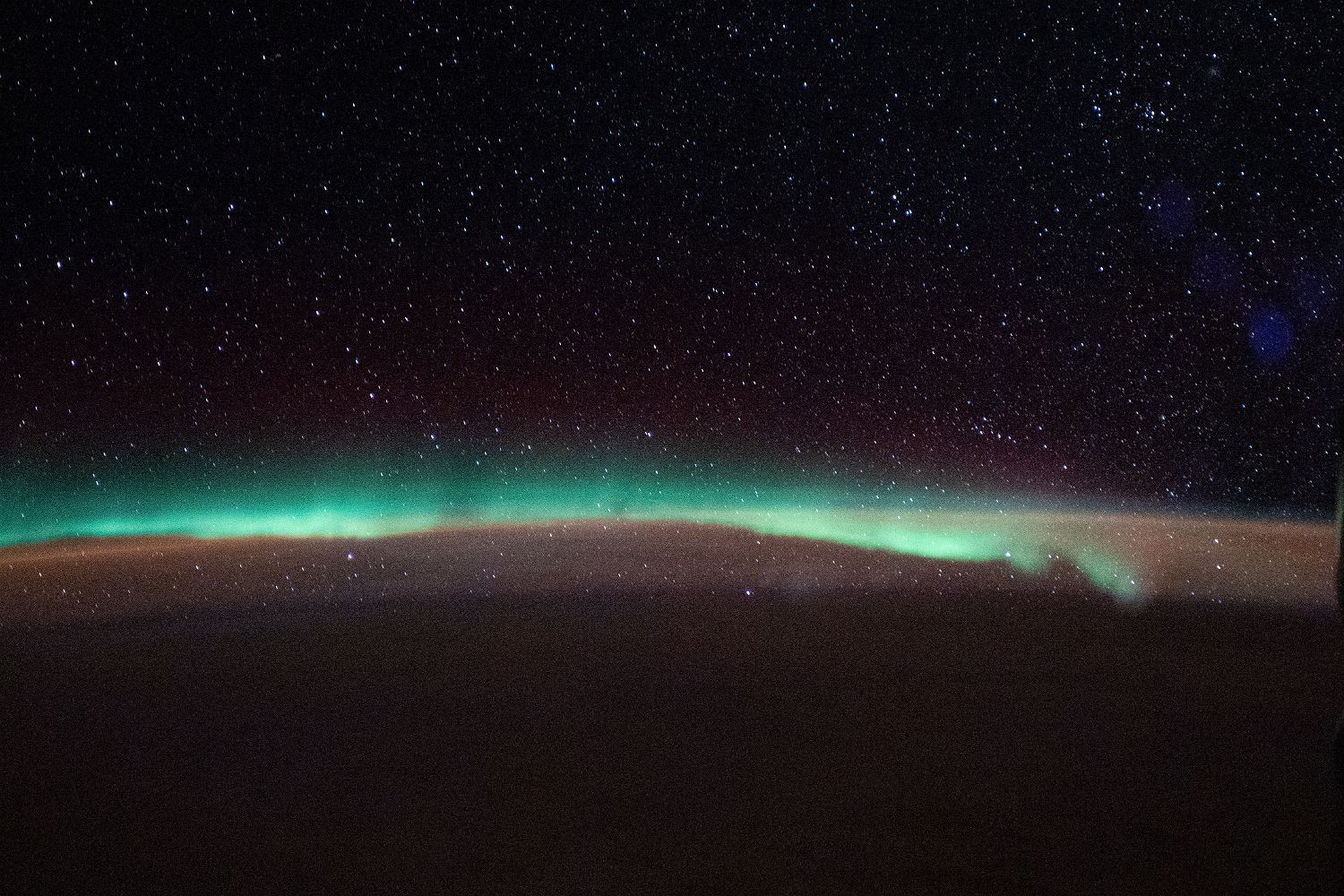
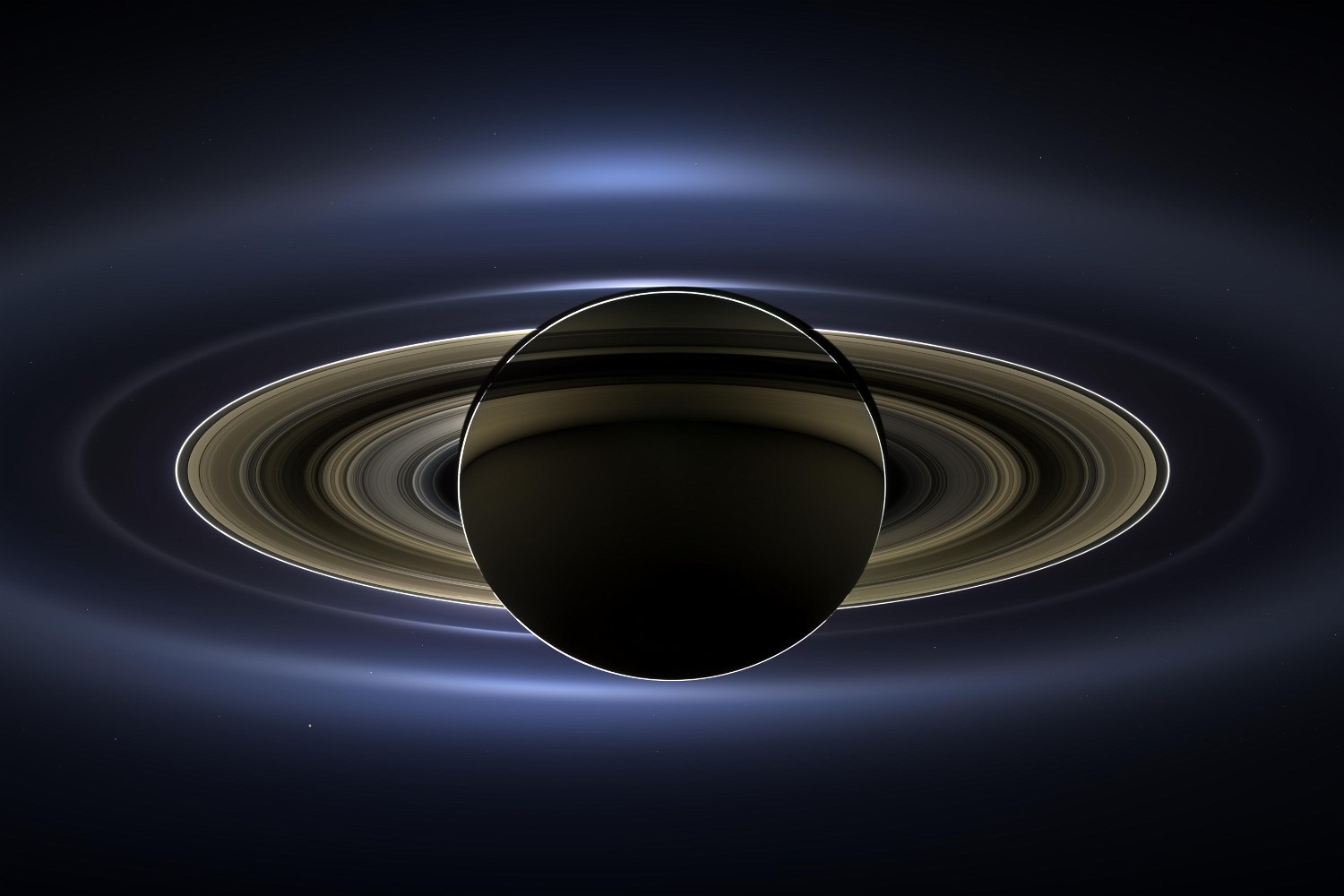
The molten face is only ever seen at an angle, along the edge of the planet, and only through the heaviest filters. What you see is a rim of orange-white, crusting and breaking, with a faint haze of vapour above it. Beside it Ilyr blazes, cut down by the glass to a white disc you can bear to look at for a few seconds.
Between the two runs the boundary, where the day side's glare gives way to the night side's red, and that is where most people end up looking. Cameras struggle with the contrast, which is one reason the pictures you have seen of Kesh, ours included, tend to be artists' impressions rather than photographs.
It glows a dull, deep red, the colour of embers that have nearly gone out.
How long it lasts
The approach proper takes about three days: a day closing in, with the shutters coming down and the hull beginning to tick; about eight hours in the viewing position, the best two of them at the closest point; and a day pulling away. Then the shutters stay down for another day while the ship cools. On the way back to Halcyon the lounges are quiet, and the people in them tend to be looking at their own pictures, or, more often, at nothing in particular.
The viewing approach at a glance
- Who sails it: a few liners, on special sailings from Halcyon
- The approach: about three days, with eight hours in the viewing position
- The best of it: the two hours at the closest point
- Where you watch: the shaded lounges on the shadow side, booked in sessions
- On board: sunward shutters locked from the approach until a day after the pass; the ship runs a little warm
It is a long way to go for eight hours. I have made the trip four times, and I would go again tomorrow.