Why the stars do not twinkle in space
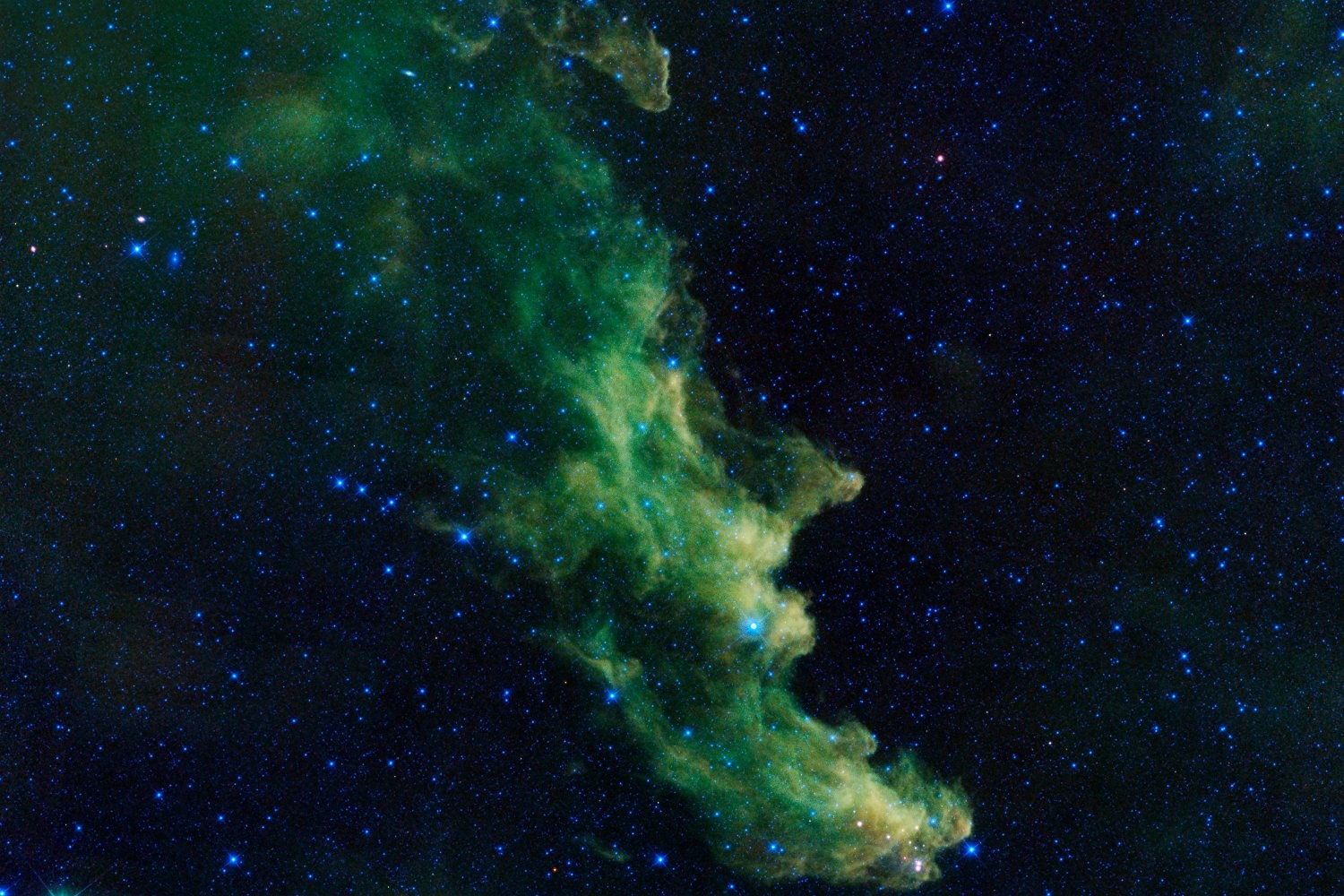
Twinkling is the air's doing. Above it, stars are steady points in true colours, which changes how you look on Selka and Veyra, and explains why pictures of bright planets show no stars.
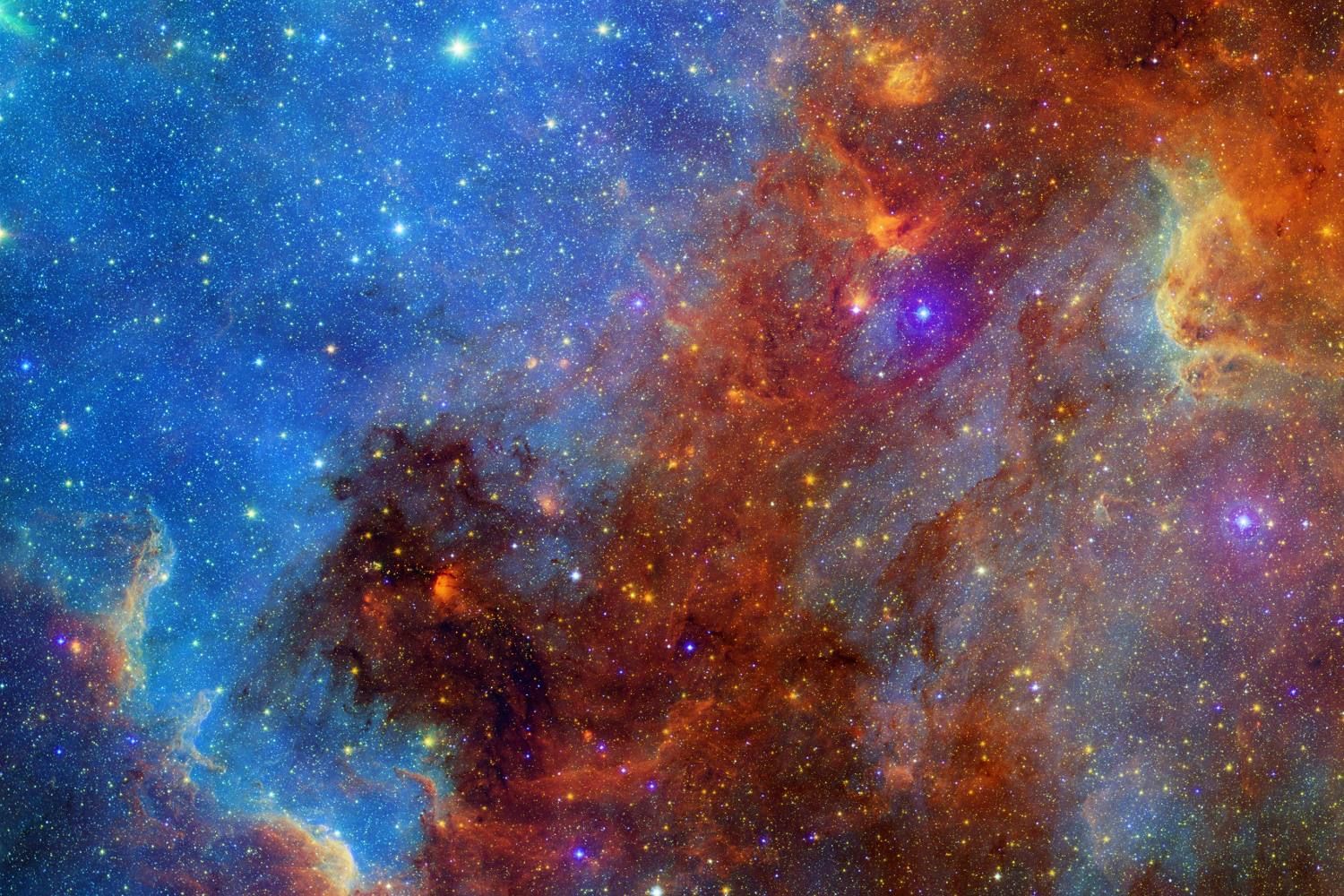
Where to start, what to look for and how to train your eyes: a first-night route round the Lantern's regions from Brightwater, from the Twin Fires to the faint Veil.
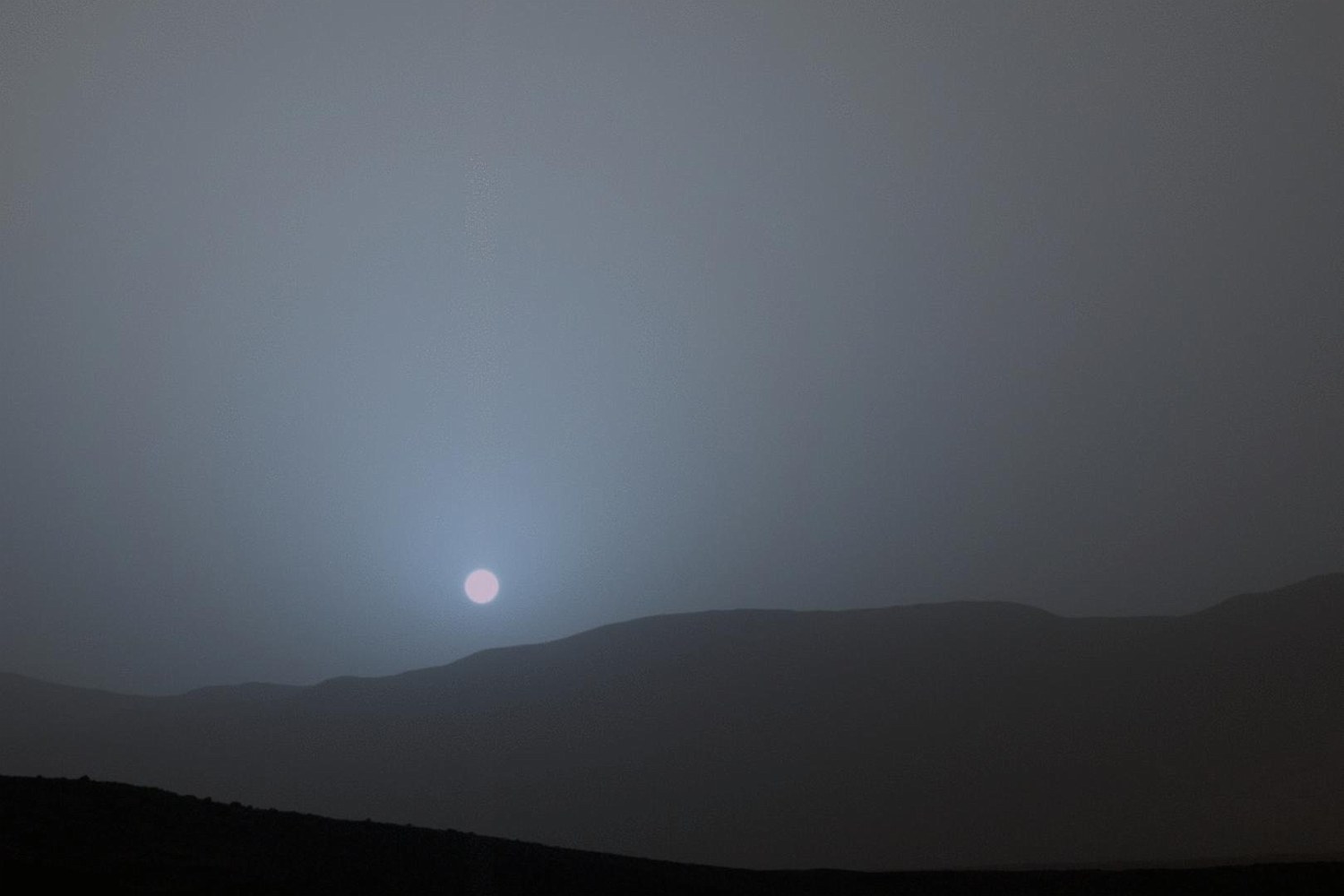
Orrin's noon sky is butterscotch and its sunsets cold blue. Our science correspondent explains the dust behind it, where to watch near Corran and how to photograph it through a visor.
At Tessaly's north pole, a storm called the Rose turns inside a six-sided jet stream. What it is, why the frame has six sides, why its pictures are false colour and how liners line up the view.
A liner could reach the ringed giant in three days if fuel were free. Our science correspondent explains transfer orbits, the 26-day launch windows and what the express really buys you.
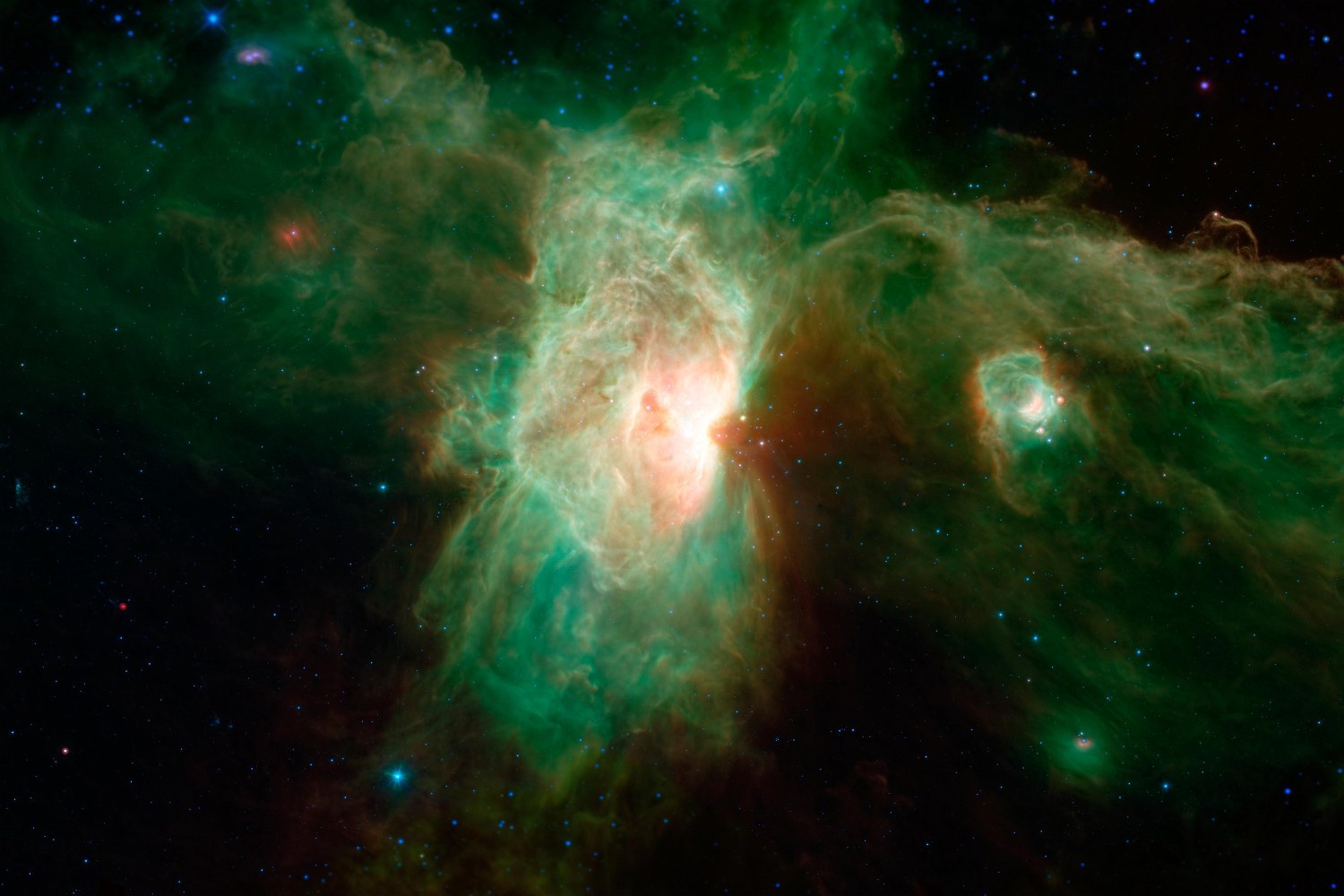
A pale smudge to the eye, a blaze of green and red in Brightwater's infrared pictures. What the Lantern nebula is, what its false colours mean and where in the Reach to see it yourself.