For years I ran a hostel so close to the Port Kestrel launch pads that the windows hummed before every departure, and most mornings I watched a few first-time flyers push their breakfast round the plate. The shuttle up to Halcyon Station is the most routine journey in the Reach. It is also, the first time, the strangest six hours of most people's lives. Here is what I wish I had told every one of them.
Six hours in three acts
The flight divides neatly. First comes the climb: a few minutes in which the engines press you into your seat at about three times your weight. Then the long coast, when you are weightless and the cabin becomes something between a waiting room and an aquarium. Last comes the docking at Halcyon's hub and the ride out to the Rim, where your weight comes back. None of it is dangerous for a healthy traveller. What follows is about comfort, not survival.
The ten things
- Eat lightly, but eat. A plain meal two or three hours before boarding is ideal: bread, rice, a bowl of noodles from an Old Docks counter without the chilli. An empty stomach is no protection against queasiness, and a heavy one is a liability once things start floating. Skip fizzy drinks. Bubbles do not behave in weightlessness, and nor will you.
- Dress for a long-haul liner, not a party. Wear soft layers with no belt buckles or hard seams across the back, because you will spend the climb pressed into the seat. Bring socks with grip: shoes come off and are stowed. Anything loose, from scarves to lanyards to long earrings, will drift into your face or your neighbour's. Tie long hair back.
- The climb is short, and it is heavy. For a few minutes you will weigh about three times what you do on Calder. It feels like a large, friendly dog lying on your chest. Keep your head back against the rest, breathe from your belly and do not try to lift your arms for a picture. The window shows little but sky turning from blue to black.
- Look after your ears. The cabin pressure is adjusted on the way up, and some people feel it as they would on an aircraft coming in to land. Swallow, yawn or chew; the crew hand out sweets for exactly this reason. If you have a cold, take a decongestant before boarding and mention it at check-in.
- Your stomach will notice the silence. When the engines cut, the weight simply stops, and for many people the first sensation is of falling. That is accurate: you are falling around Calder, and you will keep doing so until you dock. Perhaps a third of first-timers feel unwell for a while. Keep your head still, fix your eyes on something inside the cabin rather than the window, and use the bag in the seat pocket without embarrassment. Motion-sickness tablets taken an hour before boarding help most people.
- Drink little and often. In weightlessness the fluid in your body drifts upward, your face puffs and your sense of thirst becomes unreliable. Sip from the valve pouch you are given, and do not save it all for the end. The toilets work, but they come with a briefing, and you would rather not need one in the first hour.
- Move slowly, with your fingertips. When the belt sign goes off you may float free. The trick is to push off gently and stop yourself with fingertips, not shoulders. Everything you push against pushes back, so a firm shove sends you across the cabin far faster than you meant. Crews tell people to move like a slow swimmer in a crowded pool, and it is good advice.
- Sleep if you can. The coast lasts several hours and the cabin lights stay low for most of it. Strap in loosely, pull your hood up or use the eyeshade provided, and let your arms float. They will rise in front of you like a sleepwalker's, which is normal. People who doze on the way up arrive far better company than people who watched every minute.
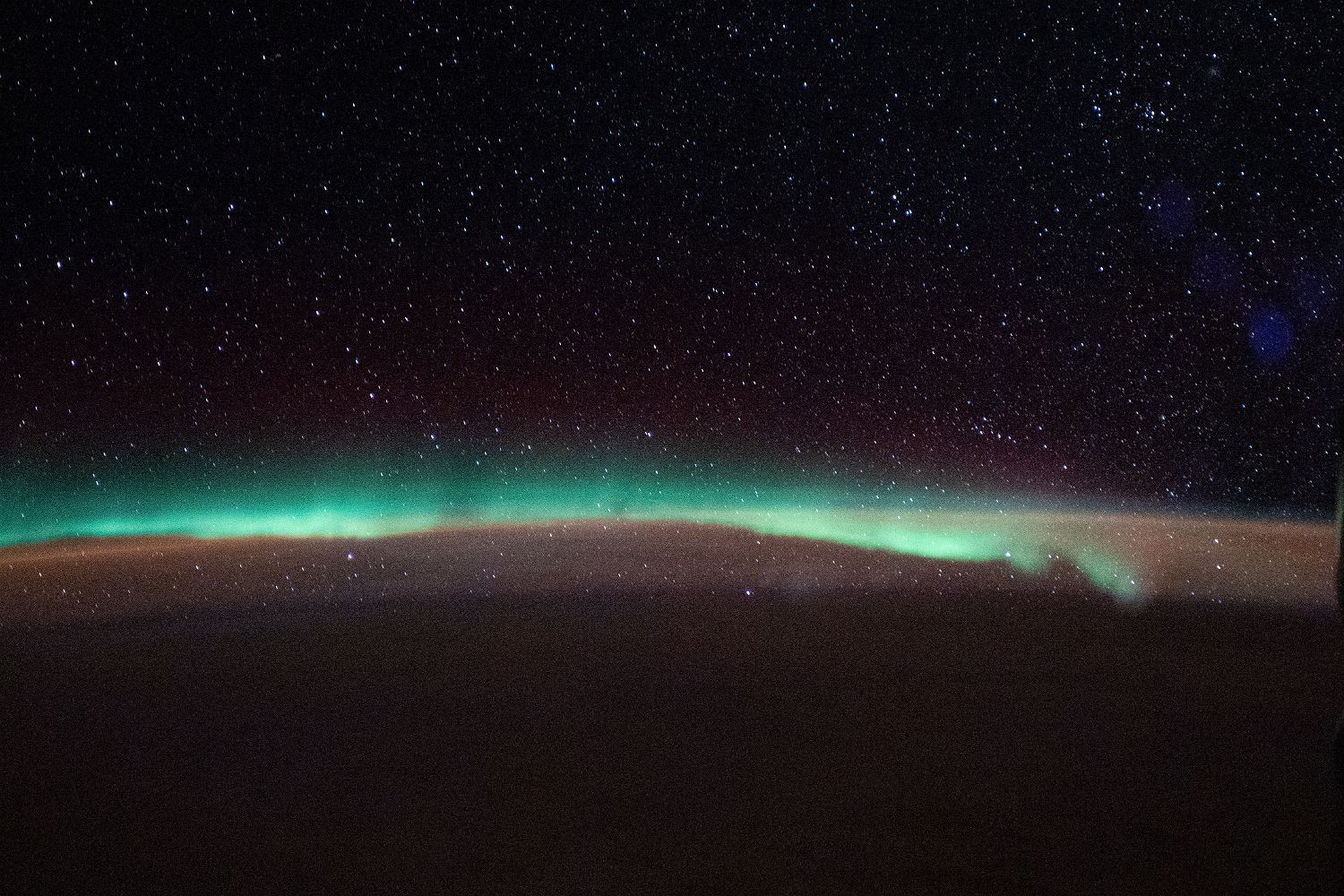
- Save some attention for the first view. Somewhere in the second hour the window blinds go up. Calder's curve fills the glass, its atmosphere a thin blue line along the edge, and if the timing is right you will see a sunrise break across it in a band of red. Nothing prepares you for how thin that blue line is. Let the photographers have the window first, then take your time.
- Arriving is a gentle surprise. You dock at Halcyon's hub, which barely seems to turn, so you leave the shuttle still weightless, pulling yourself along handrails. Then a lift carries you down one of the spokes and your weight returns as you go: a little at first, then most of it. By the Rim deck you weigh nearly what you did on Calder, because the great wheel, 2.4 km across, turns once every 70 seconds. Your legs will feel odd for an hour. Walk slowly and find a seat by a window.
My best advice is also the dullest: tell the crew it is your first flight. They will seat you away from the galley, check on you after the engines cut and warn you before the sunrise arrives. They have flown thousands of first-timers, and you will not be the most nervous one aboard.
Before you leave the Kestrel
Check-in at the shuttle halls closes an hour before departure, and you should be there well before that. Security is thorough, and the medical questionnaire asks about recent colds, ear trouble and your heart. Hand luggage is limited to one soft bag that fits under the seat in front; hard cases go in the hold, and anything with a battery must be declared.
If you are spending the night before in Port Kestrel, stay close to the halls. The Old Docks hostels are a short walk away, and the early departures are the ones most likely to leave on time. Go to bed early, set two alarms and skip the last round at the night market.
The shuttle at a glance
- Port Kestrel to Halcyon Station: about 6 hours
- The climb: a few minutes at about three times your weight
- Then weightless until docking at the hub
- Check-in closes 60 minutes before departure
- Hand luggage: one soft bag that fits under the seat
- On the Rim deck: nearly your full Calder weight
The second time
Every regular traveller I know remembers their first flight in detail and the next twenty hardly at all. By the second trip you will have a routine: the plain breakfast, the sweets for your ears, a nap through the coast. Soon you will be the one telling a nervous stranger to breathe from the belly. Until then, enjoy the strangeness. It does not last.